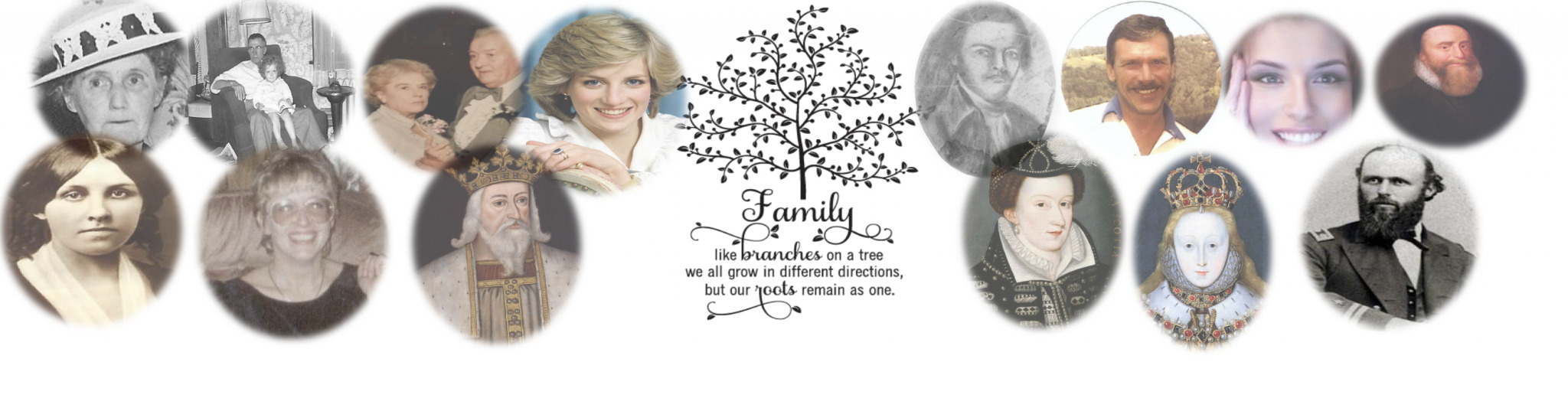
Diana, Princess of Wales
Diana, Princess of Wales
Diana, Princess of Wales (July 1, 1961 – August 31, 1997), remains one of the most influential and recognizable figures of the twentieth century, not only because of her position within the British royal family but also due to her profound impact on humanitarian work and public life. Her life represents a complex intersection of tradition and transformation, as she both embodied and challenged the expectations of royalty. Through her personal struggles, public visibility, and charitable efforts, she reshaped the role of a royal figure into something more emotionally accessible and globally engaged. Her enduring legacy reflects the power of individual compassion within highly structured institutions and continues to resonate across generations.
Born Diana Frances Spencer into an aristocratic family with deep historical ties to the British monarchy, she was raised in an environment that combined privilege with instability. Her father, John Spencer, later the 8th Earl Spencer, and her mother, Frances Shand Kydd, separated during her childhood, an event that had a lasting emotional impact on Diana. Despite her noble lineage, her early life was marked by feelings of isolation and a search for belonging, themes that would later shape her empathetic approach to others. Educated in England and later in Switzerland, Diana did not pursue formal higher education but instead developed practical skills and a strong sense of emotional intelligence, which would become central to her public persona.
Diana’s life changed dramatically when she became engaged to Charles, Prince of Wales, the heir to the British throne. Their wedding in July 1981 was a global event watched by hundreds of millions, symbolizing a modern fairy tale that captured the imagination of people worldwide. As Princess of Wales, Diana quickly became the focus of intense media attention, her style, demeanor, and personal life scrutinized on an unprecedented scale. While she fulfilled her ceremonial duties, she also began to redefine what it meant to be a royal figure, emphasizing personal connection and emotional openness over rigid formality. This approach allowed her to connect with people across social and cultural boundaries, earning her widespread admiration.
One of the most significant aspects of Diana’s public life was her commitment to humanitarian causes. At a time when issues such as HIV/AIDS were surrounded by fear and misinformation, Diana’s willingness to physically interact with patients—shaking hands, embracing them, and treating them with dignity—had a transformative effect on public perception. Her actions challenged stigma and encouraged a more compassionate understanding of the disease. Similarly, her involvement in the campaign against landmines brought global attention to the devastating impact of these weapons on civilian populations. Her visit to Angola, where she walked through a partially cleared minefield, became an iconic image that symbolized both courage and advocacy.
Despite her public success, Diana’s personal life was marked by significant challenges. Her marriage to Prince Charles faced increasing strain, exacerbated by media intrusion and conflicting expectations. The couple separated in 1992 and divorced in 1996, events that unfolded under intense public scrutiny. Throughout this period, Diana maintained her commitment to her charitable work while also navigating the complexities of life outside the formal structure of the royal family. She sought to redefine her identity on her own terms, focusing on causes she believed in and cultivating a more independent public role.
Diana’s relationship with the media was both a source of her influence and a contributor to her difficulties. The constant attention of photographers and journalists created an environment in which her private life was frequently exposed and often sensationalized. While she used media visibility to promote her charitable initiatives, the lack of boundaries between her public and private life placed immense pressure on her. This dynamic highlights the broader challenges of modern celebrity and the ways in which public figures can be both empowered and constrained by media exposure.
Her sudden death in a car accident in Paris in 1997 marked a turning point in public attitudes toward the monarchy and the media. The global reaction was immediate and profound, with millions mourning her loss and expressing a sense of personal connection to her life and work. The response revealed the depth of her impact and the extent to which she had transcended traditional royal roles to become a figure of universal empathy. In the aftermath, her legacy prompted reflection on the responsibilities of both public institutions and the media in shaping and responding to public figures.
Diana’s influence continues to be felt in multiple domains, from charitable work to the evolving role of the British royal family. Her emphasis on emotional authenticity and direct engagement with social issues has influenced subsequent generations of public figures, including members of the royal family who have adopted a more modern and approachable style. Her sons, Prince William and Prince Harry, have both spoken about her impact on their lives and have continued aspects of her humanitarian work, ensuring that her legacy remains active and relevant.
Within a broader historical and genealogical context, Diana represents a convergence of aristocratic heritage and modern identity. Her position within the Spencer family connects her to a long lineage of British nobility, while her life experiences reflect the changing nature of social roles in the late twentieth century. For those exploring ancestral connections, figures like Diana illustrate how individual lives intersect with larger historical patterns, linking personal narratives to broader networks of heritage and cultural development. Her story is therefore not only one of personal significance but also a reflection of the evolving relationship between tradition, individuality, and global awareness.
In examining the life of Diana, Princess of Wales, one observes a figure who navigated the complexities of public expectation with a distinctive blend of vulnerability and strength. Her ability to connect with others, to challenge social norms, and to use her platform for humanitarian purposes set her apart as a transformative figure in modern history. Her legacy endures not only through the institutions she influenced but also through the enduring cultural memory of her compassion, resilience, and humanity.
🧬 Ancestry
Within your genealogy framework, Diana connects to British aristocratic and European noble lineage networks.