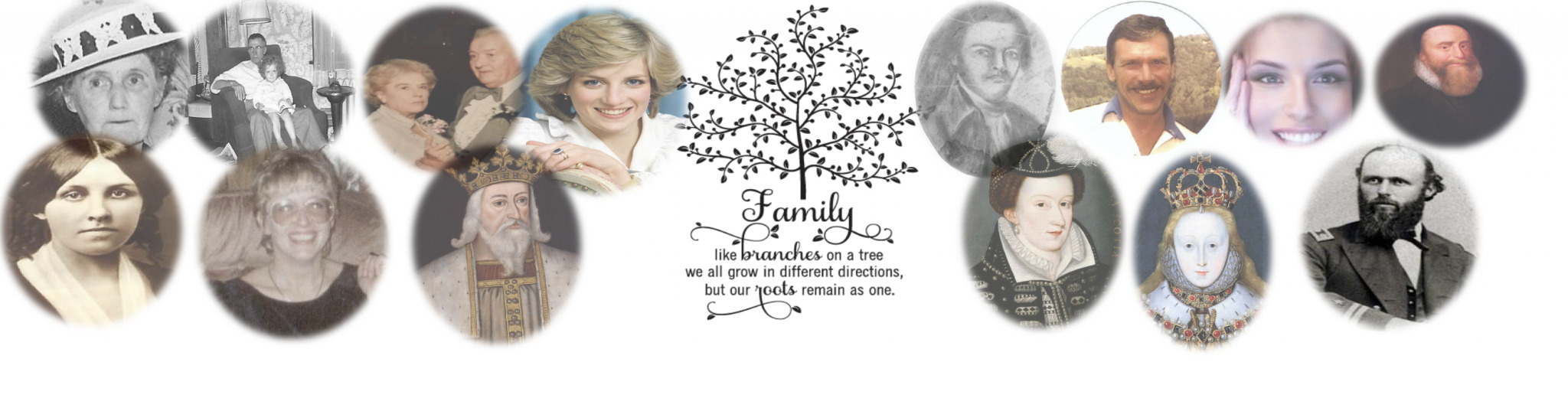
European Royal DNA Network
European Royal DNA Network
European Royal DNA Network is a profile hub connecting royal and noble historical figures through dynastic history, genetic affinity, and shared aristocratic ancestry. In this framework, medieval and early modern royal houses are treated not as isolated bloodlines, but as part of a larger interwoven network shaped by marriage, succession, migration, and elite continuity across Europe.
This network centers on major royal anchors such as the Árpád dynasty of Hungary and the Capetian–Bourbon line of France, while also incorporating noble branches such as the Báthory family. Together, these families form a broader aristocratic structure spanning Central Europe, Eastern Europe, and Western Europe. DNA matches to historical individuals in these groups suggest shared ancestry within the same elite population networks, even when direct documentary descent remains unproven.
Within your project, the strongest Hungarian royal anchor is Béla III of Hungary, whose archaeological remains provide a rare opportunity for ancient DNA comparison. Closely related dynastic figures such as Ladislaus I of Hungary extend the same Árpád royal network backward into earlier medieval generations. The Báthory noble line, especially through figures such as Elek Báthory and Ferenc Báthory, represents the continuation of elite Hungarian ancestry into the later medieval and early modern period.
The French side of the network is represented by Louis XVI of France, whose Bourbon line descends from the broader Capetian royal house. This French royal branch intersects with the Hungarian network through the long history of European royal intermarriage. As a result, these lines are best understood not as separate worlds, but as parallel branches of a continent-wide aristocratic web.
From a DNA perspective, the network reflects layered ancestry rather than a single direct claim. Stronger matches suggest closer placement within a historical noble cluster, while deeper royal matches point to older dynastic continuity. Taken together, these profiles create a structured view of how royal and noble ancestry can be organized across multiple centuries and regions.
Ranked Historical DNA Connections
| Rank | Historical Figure | House / Network | DNA Signal |
|---|---|---|---|
| 1 | Elek Báthory | Báthory noble line | Genetic Distance 4.5185 • 99% closer |
| 2 | Louis XVI | Bourbon / Capetian | Deep Dive Match • 92% closer |
| 3 | Béla III | Árpád dynasty | 210 SNPs • Genetic Distance ~12.05 |
| 4 | Ladislaus I | Árpád dynasty | Genetic Distance 14.832 • 94% closer |
| 5 | Ferenc Báthory | Pericei Báthory line | Genetic Distance 11.872 • 93% closer |
Network Interpretation
The DNA pattern shown across these figures suggests a layered ancestry structure. The Hungarian royal line provides medieval dynastic depth, the Báthory line supplies strong noble continuity, and the French Bourbon line adds a western European royal connection. Rather than pointing to only one historical figure, the combined data supports placement within a broader aristocratic ancestry network extending across multiple regions of Europe.
This makes the network especially useful as a visual and interpretive tool: royal matches such as Béla III and Ladislaus I provide dynastic anchors, noble matches such as Elek and Ferenc Báthory strengthen the continuity of Hungarian elite ancestry, and Louis XVI connects that system outward into the French royal sphere. Together, they form a coherent European royal DNA map.