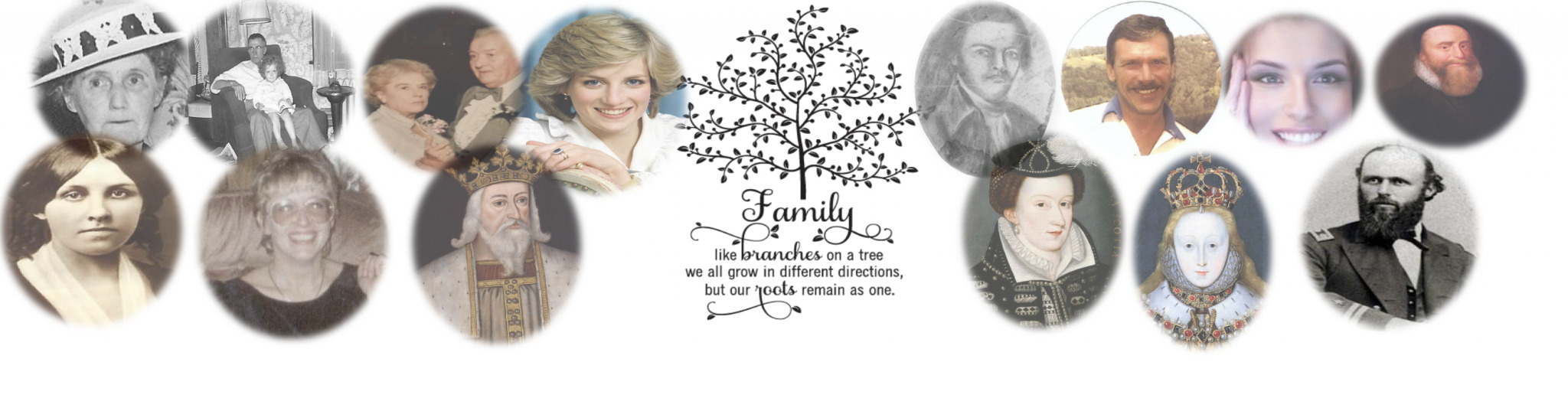
Diana, Princess of Wales
Overview
Diana, Princess of Wales
Comprehensive Encyclopedia Biography
Lead Summary:
Diana, Princess of Wales (born Diana Frances Spencer; 1 July 1961 – 31 August 1997) was a member of the British royal family, humanitarian, and one of the most recognized public figures of the twentieth century. She was the first wife of Charles, Prince of Wales (now King Charles III) and the mother of Prince William and Prince Harry. Through her compassion and humanitarian work she transformed public expectations of the British monarchy and became known worldwide as the 'People's Princess.' Born into the Spencer family, she later became one of the most photographed women in history. Following her separation and divorce, she devoted herself to humanitarian causes including HIV/AIDS awareness and the campaign against anti-personnel landmines. Her death in Paris in 1997 prompted an unprecedented global outpouring of grief, and her legacy of compassion continues to inspire millions.
Early Life:
Diana Frances Spencer was born at Park House, Sandringham, Norfolk, on 1 July 1961. She was the fourth of five children of John Spencer, later the 8th Earl Spencer, and Frances Shand Kydd. Raised within one of Britain's oldest noble families, Diana grew up close to the royal family. After her parents divorced, she was primarily raised by her father. She attended Riddlesworth Hall School and West Heath School before briefly studying in Switzerland. Returning to London, she worked as a nanny, kindergarten assistant, and preschool teacher, experiences that contributed to her approachable public image.
Engagement and Marriage
Diana and Charles became engaged in February 1981 and married at St. Paul's Cathedral on 29 July 1981 before an estimated worldwide television audience of 750 million people. Upon marriage she became Her Royal Highness The Princess of Wales and immediately assumed royal duties across Britain and the Commonwealth.
Children:
The Prince and Princess of Wales had two sons: Prince William (born 1982) and Prince Harry (born 1984). Diana was known for her hands-on parenting style and sought to expose her children to ordinary life outside royal protocol.
Royal Duties
As Princess of Wales, Diana carried out hundreds of official engagements, visiting hospitals, schools, charities, military organizations, and communities. Her warmth, empathy, and ability to connect with people made her one of the monarchy's most popular members.
Humanitarian Work.
Diana championed numerous charitable causes including children's hospitals, homelessness, HIV/AIDS awareness, leprosy care, cancer research, and disability advocacy. Her public interaction with AIDS patients helped reduce stigma surrounding the disease. In 1997 she supported the International Campaign to Ban Landmines through visits to Angola and Bosnia.
Separation and Divorce
The Prince and Princess of Wales separated in 1992. Their marriage officially ended in divorce on 28 August 1996. Diana retained the title Diana, Princess of Wales while continuing her independent charitable work.
Death:
On 31 August 1997 Diana died following injuries sustained in a motor vehicle collision in the Pont de l'Alma tunnel in Paris. Her death prompted worldwide mourning.
Funeral:
Her funeral was held at Westminster Abbey on 6 September 1997 and watched by an estimated 2.5 billion people. She was buried on an island in The Oval Lake at Althorp House.
Legacy:
Diana fundamentally changed public expectations of the British monarchy through her compassion and humanitarian approach. Memorials, charities, books, documentaries, and a statue at Kensington Palace continue to commemorate her life. She remains one of the most influential public figures of the modern era.
Family Tree
 Diana, Princess of Wales1961–1997
 Prince William, Prince of Wales1982–
 Charles Spencer, 9th Earl Spencer1964–